You Won’t Believe These Cultural Gems in Warsaw – Pure Photo Magic
Warsaw isn’t just Poland’s vibrant capital—it’s a visual storyteller. From grand theaters to hidden courtyards, every cultural venue pulses with history and style. I was blown away by how much beauty hides in plain sight. Whether you're chasing golden-hour light or authentic city vibes, Warsaw’s artistic soul delivers. These spots aren’t just Instagram-worthy—they feel alive. Let me show you where the magic happens.
The Heartbeat of Culture: Why Warsaw’s Venues Are Photogenic Goldmines
Warsaw’s cultural spaces are more than architectural showpieces—they are living testaments to resilience, creativity, and rebirth. The city’s skyline and streetscapes reflect a rare fusion of old and new, where painstakingly reconstructed historic buildings stand shoulder to shoulder with bold modern designs. This contrast isn’t accidental; it’s intentional, a visual dialogue between memory and progress. What makes these venues so photogenic is not just their aesthetic appeal but the emotional depth embedded in their walls. Every column, mural, and courtyard tells a story of survival and reinvention.
Photographers are drawn to Warsaw because its cultural landmarks offer layers of meaning. Unlike cities where history feels distant or curated behind glass, Warsaw’s art and architecture invite engagement. The light here has a unique quality—soft in the early morning, golden at dusk, and dramatic under the glow of streetlamps. The city’s layout, with its mix of open plazas and intimate alleyways, creates natural framing opportunities. Whether shooting wide-angle cityscapes or close-up textures, the visual rewards are abundant.
What sets Warsaw apart is how its past shapes its present beauty. After being nearly destroyed during World War II, the city was rebuilt with extraordinary care, guided by 18th-century paintings and archival records. This dedication to authenticity gives the Old Town its UNESCO World Heritage status and lends credibility to every photograph taken within its cobbled lanes. Yet Warsaw does not live in the past. Contemporary venues like the POLIN Museum and the modern wings of the Zachęta Gallery show that the city embraces innovation without sacrificing soul. For the discerning traveler, this balance makes Warsaw not just beautiful, but meaningful to capture.
Moreover, the integration of art into everyday life enhances the city’s visual richness. Murals, sculptures, and performance spaces are not confined to museums—they appear in subway stations, on building facades, and in quiet parks. This accessibility allows for spontaneous, authentic photography. A dancer practicing in front of Teatr Wielki, children laughing beside a reflective pool at Krasiński Garden, or an elderly couple pausing beneath a neoclassical portico—all these moments unfold naturally, adding human warmth to the city’s grand aesthetic. Warsaw rewards those who look closely, who linger, who return at different times of day. Its photogenic power lies not in perfection, but in authenticity.
Zachęta National Gallery: Where Art Meets Architecture
Standing proudly on Małachowski Square, the Zachęta National Gallery of Art is a masterpiece of neoclassical design and artistic purpose. Originally built in the late 19th century as an exhibition space for Polish artists, it has since become one of Warsaw’s most revered cultural institutions. Its symmetrical façade, adorned with sculpted figures representing Painting, Sculpture, and Architecture, sets the tone for what lies within—a celebration of creativity in all its forms. But beyond its role as an art hub, Zachęta is a photographer’s dream, offering a blend of architectural elegance and curated light that transforms every visit into a visual journey.
The exterior of the gallery is particularly striking at sunrise and sunset, when the golden light washes over its pale stone columns and accentuates the delicate carvings above the entrance. The grand staircase leading up to the main doors provides a natural focal point, ideal for symmetrical compositions. During winter months, when frost dusts the steps and the surrounding trees are bare, the scene takes on a quiet, almost cinematic quality. Evening visits are equally rewarding—the building is softly illuminated, casting long shadows and creating dramatic contrasts that enhance depth and texture in photographs.
Inside, the gallery continues to impress. The central rotunda, crowned with a glass dome, floods the space with natural light, creating ever-changing patterns on the marble floor. The grand staircase spiraling upward offers multiple vantage points, perfect for capturing both the architecture and the visitors moving through the space. When exhibitions are on display, the interplay between modern artwork and historic surroundings adds another layer of visual interest. Photographers can experiment with reflections in glass cases, silhouettes against backlit panels, or candid shots of people engaging with art.
To make the most of a visit, timing is key. Weekday mornings, especially between 10 a.m. and noon, tend to be less crowded, allowing for unobstructed shots of the interior. Natural light peaks around midday, making it ideal for detail photography. The gallery often hosts rotating exhibitions, so checking the schedule in advance can help align your visit with visually compelling themes—whether contemporary installations, historical retrospectives, or multimedia displays. Regardless of the exhibition, Zachęta remains a place where art and architecture are in constant conversation, each enhancing the other in ways that inspire both creators and observers.
Teatr Wielki: Grandeur That Stops You in Your Tracks
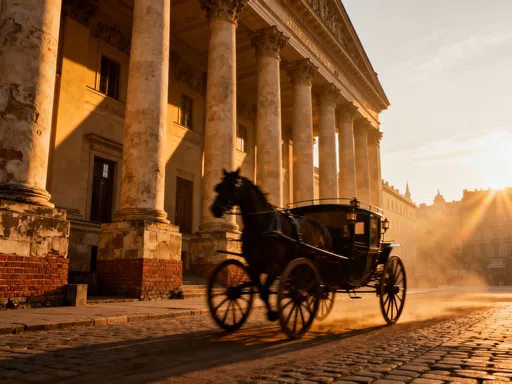
No cultural tour of Warsaw is complete without a visit to Teatr Wielki, the city’s legendary opera house and one of Europe’s largest and most prestigious performing arts venues. With a history dating back to the early 19th century, the theater has survived wars, reconstructions, and changing artistic tides, emerging each time with renewed grandeur. Today, it stands as a symbol of cultural endurance, its massive Corinthian columns and sweeping façade dominating Theatre Square in a way that commands attention and reverence. For photographers, Teatr Wielki offers one of the most dramatic subjects in the city—a blend of architectural power and living tradition.
The front elevation of the theater is a study in symmetry and scale. Twelve towering columns rise above a wide staircase, flanking a central portico adorned with statues of muses and allegorical figures. The effect is both majestic and inviting, especially when the building is lit at dusk. As daylight fades, warm golden lights highlight the architectural details, while the surrounding square becomes a stage for movement—dancers in rehearsal, visitors in evening attire arriving for performances, and the occasional horse-drawn carriage adding a touch of old-world charm. These moments create dynamic compositions, blending human activity with monumental architecture.
For wide-angle shots, the best vantage points are from the center of Theatre Square or from the steps of nearby buildings. These perspectives allow the full façade to be captured, often with dramatic skies or seasonal foliage enhancing the background. At night, long exposure techniques can emphasize the glow of the theater against a darkened sky, turning the columns into radiant pillars. Inside, photography is restricted during performances, but during daytime public hours or guided tours, the grand foyer and auditorium offer breathtaking views. The red velvet interiors, crystal chandeliers, and ornate ceiling paintings create a sense of opulence that is both timeless and deeply photogenic.
Visitors are encouraged to time their visits around performance schedules, as the atmosphere around the theater intensifies in the hours before a show. The arrival of patrons in formal wear, the glow of marquees, and the buzz of anticipation all contribute to a living portrait of cultural life. While interior photography may be limited, the exterior remains accessible and endlessly rewarding. Whether capturing the quiet stillness of early morning or the vibrant energy of evening, Teatr Wielki offers a rare combination of historical weight and visual splendor.
Palace of Culture and Science: The Controversial Crown Jewel
Rising 237 meters above the Warsaw skyline, the Palace of Culture and Science is impossible to ignore. A gift from the Soviet Union in the 1950s, the building remains one of the most debated structures in Poland—a symbol of both oppression and architectural ambition. While some locals have long called for its demolition, others recognize its role as a functional hub for culture, education, and tourism. For photographers, however, the debate fades in the face of its undeniable visual impact. The Palace is a study in scale, symmetry, and light, offering some of the most iconic views of the city from its observation deck and surrounding vantage points.
At ground level, the sheer size of the building creates a sense of awe. The central tower, flanked by four lower wings, resembles a wedding cake in its layered design, with intricate stonework and decorative motifs etched into its façade. The main entrance, with its wide staircase and sculpted reliefs, provides strong compositional lines. But the real magic happens at night, when the entire structure is illuminated in warm white light, casting a soft glow over the surrounding streets. Long exposure shots from Marszałkowska Street or Bank Square capture the building in all its grandeur, often with moving traffic creating light trails that lead the eye upward.
For panoramic views, the 30th-floor observation deck remains one of the best vantage points in the city. Open to the public, it offers a 360-degree perspective of Warsaw’s evolving skyline—from the reconstructed Old Town to the modern skyscrapers of the central business district. Photographers can capture the city in different moods: misty mornings, golden sunsets, or the electric sparkle of nightfall. The glass windows do present challenges with reflections, but using a polarizing filter or pressing the lens close to the glass can minimize interference.
Alternative rooftop views from nearby buildings, such as the Złote Tarasy shopping center or the Warsaw Spire, offer creative angles and a more contemporary framing of the Palace. These perspectives emphasize its dominance within the urban fabric while allowing for dynamic compositions that include surrounding architecture and green spaces. While the building’s history is complex, its visual presence is undeniable. For the thoughtful photographer, capturing the Palace is not about glorifying the past, but about acknowledging how architecture can embody both memory and modernity.
Krasiński Palace and Garden: A Quiet Escape with Timeless Appeal
Nestled in the northern edge of Warsaw’s city center, Krasiński Palace and its surrounding garden offer a serene counterpoint to the city’s grander, busier landmarks. Built in the late 17th century in the Baroque style, the palace was once the residence of one of Poland’s most powerful noble families. Though it suffered damage during wartime conflicts, it has been meticulously restored and now houses the National Archives. Yet its true charm lies not just in its history, but in the harmony between architecture and nature that unfolds in its gardens—a space that feels timeless, peaceful, and deeply photogenic.
The palace façade, with its balanced proportions and elegant stonework, is particularly striking when reflected in the long central pool that stretches before it. This mirror effect doubles the visual impact, creating symmetrical compositions that are especially effective in early morning light, when the water is still and the sky casts soft pinks and blues across the surface. The surrounding garden, laid out in a formal French style, features geometric pathways, sculpted hedges, and seasonal flowerbeds that change with the months—tulips in spring, roses in summer, golden foliage in autumn. Each season offers a new palette for photography.
Because the garden is less frequented than other tourist spots, it provides rare moments of solitude in the heart of the city. Early risers are rewarded with mist rising from the pool, birdsong in the trees, and the quiet rustle of leaves—elements that add atmosphere to both still images and short video clips. The surrounding iron fence, topped with ornate finials, frames the scene beautifully, while the side alleys lined with linden trees offer shaded pathways ideal for intimate, human-scale compositions.
Visitors are encouraged to explore beyond the main axis. Hidden corners reveal marble statues, weathered fountains, and quiet benches tucked beneath canopies of green. These details, often overlooked, carry their own quiet dignity and make excellent subjects for close-up photography. The contrast between the weathered stone of the palace and the vibrant life of the garden creates a narrative of endurance and renewal—one that resonates deeply with Warsaw’s broader story. For those seeking beauty without the bustle, Krasiński Garden is a sanctuary worth returning to, again and again.
POLIN Museum: Modern Design Meets Deep History
The POLIN Museum of the History of Polish Jews stands as one of Warsaw’s most powerful and architecturally innovative cultural institutions. Located on the site of the former Warsaw Ghetto, the museum honors over 1,000 years of Jewish life in Poland through a combination of narrative depth and contemporary design. Its exterior, a sleek glass and stone structure, contrasts with the emotional weight of its subject matter, creating a space that is both modern and deeply reverent. For photographers, the building offers a unique challenge: how to capture not just its physical form, but the gravity it carries.
The entranceway is designed as a symbolic “gap” in the building, representing the rupture of the Holocaust while also suggesting a path forward. This architectural metaphor translates into compelling visual compositions—long corridors that draw the eye inward, reflections in glass walls that merge past and present, and open spaces that invite contemplation. The interior, particularly the main hall, features undulating wooden walls that resemble the folds of a Torah scroll, creating a sense of movement and flow. Natural light filters through skylights, casting soft shadows that change throughout the day, enhancing the emotional resonance of every frame.
Photography inside the museum is permitted in common areas, though flash and tripods are restricted out of respect for the exhibits. The most powerful images often include human elements—visitors pausing before a memorial wall, children listening to recorded testimonies, or silhouettes moving through dimly lit galleries. These moments convey scale and feeling, turning architectural photography into storytelling. The surrounding park, with its memorial stones and open lawns, provides additional opportunities for reflective compositions, especially at golden hour when the light softens the edges of memory.
The museum’s location, adjacent to the Monument to the Ghetto Heroes, further deepens its significance. Photographers can create meaningful sequences that connect the modern structure with the historic monument, using framing and perspective to show continuity and contrast. While the subject matter is solemn, the museum itself is a celebration of resilience and remembrance. Capturing its essence requires sensitivity, but the reward is imagery that transcends aesthetics—images that honor history, provoke thought, and inspire connection.
Hidden Courtyards in the Old Town: Warsaw’s Secret Photo Sanctuaries
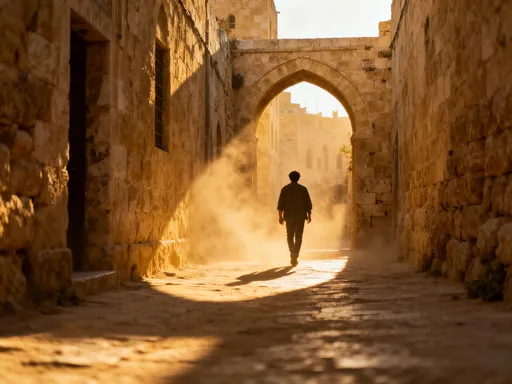
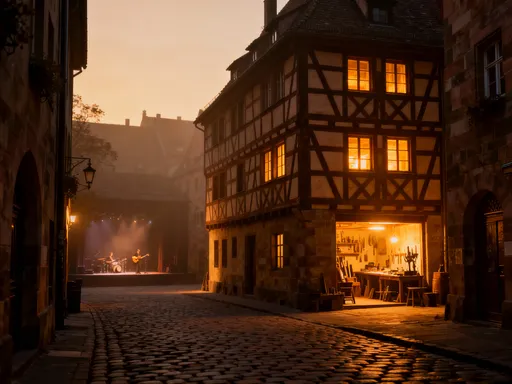
Beyond the postcard-perfect façades of Warsaw’s Old Town lie a network of hidden courtyards—quiet, ivy-draped passageways that feel like stepping into another century. These interior spaces, tucked behind unassuming doors and narrow archways, were once the backbones of urban life, serving as shared spaces for artisans, merchants, and families. Today, many have been preserved or restored, offering a glimpse into the city’s layered past. For photographers, they are nothing short of sanctuaries—intimate, atmospheric, and rich with texture.
One of the most photogenic courtyards is located just off the Royal Route, accessible through a low stone archway. Inside, time seems to slow. Weathered brick walls are covered in creeping ivy, vintage signage hangs from wooden beams, and potted plants spill over stone window sills. The play of light here is extraordinary—sunlight filters through upper windows, casting dappled patterns on the cobblestones below. In the late afternoon, golden rays stretch across the courtyard, highlighting textures and creating warm, inviting tones. These spaces are rarely crowded, allowing for unhurried exploration and thoughtful composition.
Another notable courtyard, near the Church of the Holy Cross, features a central well and a mural depicting historical scenes of Warsaw life. The combination of painted art, natural greenery, and architectural decay creates a layered visual narrative. Photographers can experiment with depth of field, focusing on a single peeling poster while blurring the background, or capturing the full scene in wide-angle to emphasize the sense of enclosure. The acoustics in these spaces add to their charm—footsteps echo softly, birds chirp from hidden perches, and the distant hum of the city feels muffled, as if the courtyards exist in their own quiet dimension.
Exploring these hidden spaces requires curiosity and respect. Many are still part of functioning buildings, home to offices, galleries, or private residences. Visitors are encouraged to move quietly, avoid blocking pathways, and refrain from intrusive photography. But for those who approach with care, the rewards are immense. These courtyards are not just beautiful—they are authentic. They reveal a side of Warsaw that is lived-in, imperfect, and deeply human. In an age of curated perfection, they remind us that the most powerful images often come from the unnoticed corners.
Conclusion: Framing Warsaw’s Soul Through Its Cultural Spaces
Photographing Warsaw’s cultural venues is more than a pursuit of beauty—it is an act of connection. Each building, garden, and hidden passage carries the weight of history, the spark of creativity, and the pulse of daily life. From the grandeur of Teatr Wielki to the quiet dignity of Krasiński Garden, from the modern solemnity of the POLIN Museum to the secret charm of the Old Town courtyards, these spaces invite us to look deeper, to slow down, to see beyond the surface. They challenge us to capture not just what a place looks like, but what it feels like.
Warsaw does not offer easy clichés. Its beauty is earned, shaped by loss and rebuilt with care. This makes every photograph taken here more meaningful. When you frame a shot of the Palace of Culture at dusk, or catch the reflection of a cloud in the pool at Krasiński Garden, you are not just documenting a moment—you are participating in a story of resilience and renewal. The city rewards those who return, who visit in different seasons, who explore at different hours. Light changes, moods shift, and new details emerge with each visit.
For the traveler, especially one who values depth and authenticity, Warsaw offers a rare gift: the chance to be both observer and storyteller. You don’t need professional gear to capture its essence—just curiosity, patience, and respect. Walk slowly. Listen. Let the city reveal itself. Seek out the quiet corners, the overlooked details, the moments of human connection. In doing so, you move beyond tourism and into the realm of true experience.
So pack your camera, charge your phone, and step into the streets of Warsaw with intention. Let the neoclassical columns guide your lens, the golden light inspire your timing, and the hidden courtyards awaken your sense of discovery. This city is not just a destination—it is a dialogue between past and present, between beauty and meaning. And through your photographs, you become part of that conversation. Come not just to see, but to see deeply. Warsaw’s soul is waiting to be framed.