You Gotta See These Hidden Cultural Gems in Nuremberg
Nuremberg isn’t just about medieval walls and Christmas markets—its cultural heartbeat runs deep. As someone who wandered its cobbled streets with no plan, I stumbled upon theaters, museums, and studios that blew me away. This city blends history and modern creativity in ways you’d never expect. If you're looking for authentic cultural venues off the typical tourist trail, Nuremberg delivers—quietly, powerfully, and beautifully.
The Soul of a City: Why Nuremberg’s Cultural Venues Matter
Nuremberg’s identity is shaped by layers of history—imperial grandeur, artistic legacy, wartime devastation, and resilient rebirth. While many visitors come for the fairy-tale charm of the Altstadt or the famous Christkindlesmarkt, the city’s true depth lies in its cultural institutions, where memory and modernity meet. These spaces do more than display art or host performances—they serve as living dialogues between past and present, helping both locals and visitors reflect on identity, recovery, and creative expression.
The city’s role as a Holy Roman Empire stronghold gave it early cultural significance, but it was the 20th century that tested its soul. After the devastation of World War II and the historical weight of the Nuremberg Trials, rebuilding was not just physical but cultural. Today, Nuremberg’s theaters, museums, and art centers carry forward a quiet mission: to remember without being trapped, to innovate without forgetting. This balance makes its cultural scene uniquely powerful.
What sets Nuremberg apart is how accessible this cultural conversation feels. Unlike capitals where art can seem distant or exclusive, here it lives in repurposed bathhouses, hidden courtyards, and neighborhood theaters. These venues invite participation. A mother brings her daughter to a puppet show in a converted factory. Retirees gather for a lecture on medieval printmaking. Tourists linger after a gallery talk, asking questions of the artists themselves. Culture here isn’t behind glass—it’s part of daily life.
For the thoughtful traveler, especially those seeking meaningful experiences beyond sightseeing checklists, Nuremberg offers something rare: authenticity. Exploring its cultural spaces isn’t about ticking off attractions—it’s about feeling the rhythm of a city that uses creativity to heal, connect, and grow. That’s why these venues matter. They don’t just reflect Nuremberg’s history—they help shape its future.
Albrecht Dürer’s House: Where Renaissance Art Comes Alive
Walking through the wooden doorway of Albrecht Dürer’s House feels like stepping into the mind of a genius. Located just outside the city walls, this half-timbered building was the home and workshop of Germany’s most celebrated Renaissance artist from 1509 until his death in 1528. Today, it stands as a meticulously reconstructed tribute to Dürer’s life, craft, and enduring influence. More than a museum, it’s an immersive journey into the world of 16th-century artistry, where every beam, tool, and sketch tells a story.
The house has been restored using historical records and period-appropriate materials, allowing visitors to experience the atmosphere Dürer himself would have known. Sunlight filters through leaded glass windows into rooms furnished with hand-carved desks, printing presses, and shelves lined with pigments and brushes. Reproductions of Dürer’s famous engravings—like Praying Hands and Rhinoceros—are displayed alongside tools of his trade, including woodblocks and copper plates. Temporary exhibits often explore themes like scientific illustration or the evolution of printmaking, bridging Dürer’s legacy with broader artistic movements.
What makes the experience especially engaging is its thoughtful mix of authenticity and interactivity. While the house maintains historical accuracy, it doesn’t feel like a frozen tableau. Touchscreens offer close-ups of Dürer’s intricate linework, and audio guides narrate his life in multiple languages. Children can try their hand at simple woodcut printing in a designated workshop area, making the visit both educational and hands-on. For adults, the quiet upper rooms—where Dürer is believed to have studied and drawn—offer moments of reflection amid the city’s bustle.
For the best experience, arrive early in the morning or later in the afternoon to avoid tour groups. The site is compact, so a visit of 60 to 90 minutes is ideal. Admission is modest, and the Nürnberg Card offers free entry—a valuable perk for those planning to explore multiple cultural sites. English signage is clear, and staff are knowledgeable without being intrusive. Whether you’re an art lover or simply curious, Dürer’s House is a place where history feels alive, and creativity feels contagious.
Neues Museum Nürnberg: A Bridge Between Old and New
Rising like a modern sculpture beside the historic Pegnitz River, the Neues Museum Nürnberg is a bold statement of Nuremberg’s cultural evolution. Opened in 2000, this striking building combines clean glass facades with warm wood and concrete, creating a space that feels both futuristic and grounded. Designed by architects Volker Staab and Gabi Schillig, the museum is not just a container for art—it’s a work of art itself. Its open atrium, spiral staircases, and carefully calibrated natural light invite visitors into a dialogue between design, technology, and human expression.
The museum’s mission is to connect historical craftsmanship with contemporary creativity. Its rotating exhibitions often pair medieval manuscripts with digital art, traditional textiles with experimental installations, or Baroque instruments with sound sculptures. One recent exhibit, for example, explored how mechanical toys from the 18th century inspired modern robotics, featuring both antique automata and AI-driven kinetic art. Another showcased local designers reimagining traditional Franconian pottery using 3D printing techniques. These thoughtful pairings highlight continuity and innovation, showing that culture is not static but constantly evolving.
Families especially appreciate the museum’s accessibility. Interactive stations allow children to build simple machines, manipulate light projections, or compose digital music. Audio guides and multilingual panels ensure international visitors aren’t left out, and the staff frequently organize hands-on workshops on weekends. The ground-floor café, with its river views and child-friendly menu, makes it easy to linger. Wheelchair access is excellent, and stroller-friendly pathways mean no one feels excluded.
Guided tours, offered in German and English, add depth to the experience. While self-exploration is rewarding, a knowledgeable guide can point out subtle connections between exhibits—like how a 19th-century loom design influenced a modern textile artist’s work. These insights enrich the visit, especially for those unfamiliar with design history. The museum also hosts evening events, including artist talks and live music, transforming the space into a vibrant cultural hub after dark.
With its emphasis on interactivity and inclusivity, the Neues Museum Nürnberg proves that culture doesn’t have to be hushed or formal to be meaningful. It’s a place where curiosity is rewarded, questions are welcomed, and creativity feels within reach. For travelers seeking a museum that’s both intellectually stimulating and emotionally engaging, this is a must-visit.
Theatres That Speak: Hidden Stages in the Old Town
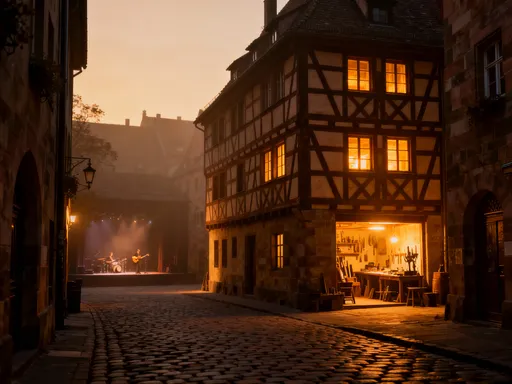
While Nuremberg’s grand theaters draw international acts, its smaller performance spaces offer something even more precious: intimacy. Tucked into quiet squares and repurposed buildings, venues like Theater am Hirschvogelplatz and the Box am Zeltnerstraße provide a window into the city’s living artistic soul. Here, local playwrights, actors, and directors experiment with form, language, and storytelling, creating works that resonate with everyday life in Nuremberg. These stages may be modest in size, but their impact is anything but.
Theater am Hirschvogelplatz, housed in a converted 19th-century school, seats fewer than 100 people. Its wooden benches, exposed brick walls, and low-hanging lamps create an atmosphere of quiet intensity. Productions range from modern adaptations of classical German drama to original pieces exploring themes like family, memory, and social change. Many performances include English subtitles, and some are entirely visual or physical theater, making them accessible even to non-German speakers. The result is a deeply human experience—laughter, silence, and shared emotion filling the small space.
Finding show schedules is easier than it might seem. The city’s cultural office publishes a monthly Kulturkalender online, listing performances with language details and ticket availability. The tourist information center in the Hauptmarkt also carries printed copies and can help with reservations. Some theaters offer same-day tickets at reduced prices, encouraging spontaneous visits. For travelers with limited time, checking the schedule upon arrival can lead to an unforgettable evening.
What makes these theaters special is their connection to the community. Actors often mingle with the audience after shows, answering questions and discussing their work. You might hear a young director explain how her play was inspired by her grandmother’s war stories, or a performer describe how improvisation helps him process modern anxieties. These moments of connection transform theater from entertainment into shared reflection.
For family travelers, several venues offer weekend performances for children—puppet shows, musical storytelling, and interactive plays that invite young audiences on stage. These shows, often based on local legends or folk tales, introduce kids to German culture in a fun, engaging way. The informal setting means children can react freely, and parents don’t have to worry about strict silence rules. In these small theaters, culture isn’t performed at the audience—it’s created with them.
KunstKulturQuartier: The Creative Hub You Can’t Miss
If Nuremberg has a creative heartbeat, it pulses strongest in the KunstKulturQuartier. Housed in a beautifully restored former bathhouse, this vibrant complex is a mosaic of galleries, artist studios, performance spaces, and cozy cafes. Once a public bath in the early 20th century, the building was repurposed in the 1990s to support emerging artists and foster public engagement with the arts. Today, it stands as a testament to how culture can thrive in unexpected places.
The ground floor hosts rotating exhibitions—from photography and sculpture to experimental video art. Many shows focus on social themes, such as urban life, identity, or environmental change, often featuring collaborative works by local and international artists. Upstairs, working studios line the corridors, some with open doors where visitors can watch painters, sculptors, and ceramicists at work. This transparency breaks down the myth of the solitary artist, showing creativity as a lived, daily practice.
Music is also central to the Quartier’s identity. Weekly jazz nights, acoustic sets, and electronic music experiments draw diverse crowds. The small concert hall, with its warm acoustics and unpretentious seating, feels more like a living room than a performance venue. Audience members often stay after shows to chat with musicians, creating a sense of community rarely found in larger concert halls.
Practical amenities make the space welcoming. Free Wi-Fi, comfortable seating, and a café serving organic coffee and regional pastries encourage long stays. The building is fully accessible, with elevators and gender-neutral restrooms. Entry to the galleries is often free, especially during opening receptions or cultural festivals. The Nürnberg Card sometimes includes access to special events, so it’s worth checking in advance.
What truly sets the KunstKulturQuartier apart is its spirit of openness. Workshops on printmaking, poetry writing, or mindfulness through art are regularly offered, many at low or no cost. These programs attract locals of all ages, from retirees to young parents, creating a multigenerational cultural space. For visitors, participating—even just observing—offers a rare glimpse into how art is woven into the fabric of daily life. It’s not about perfection; it’s about presence, participation, and shared humanity.
Maximilianstraße and Beyond: Street-Level Culture
Not all of Nuremberg’s culture happens indoors. Along Maximilianstraße, the city’s grand boulevard, art unfolds in plain sight. Bronze sculptures of historical figures line the sidewalks, while whimsical fountains double as meeting spots. Buskers play accordion or guitar in the arcades, their music drifting through the stone colonnades. Craft shops display hand-painted ceramics, wooden toys, and embroidered textiles—each piece a quiet act of cultural preservation.
Walking this street offers more than shopping—it’s a sensory journey through tradition and modernity. A grandmother points out a traditional Franconian hat to her granddaughter in a shop window. A tourist pauses to photograph a mural depicting the city’s medieval guilds. A local artist sells handmade bookmarks featuring Dürer-inspired motifs. These moments, small and unscripted, reveal how culture lives in everyday interactions.
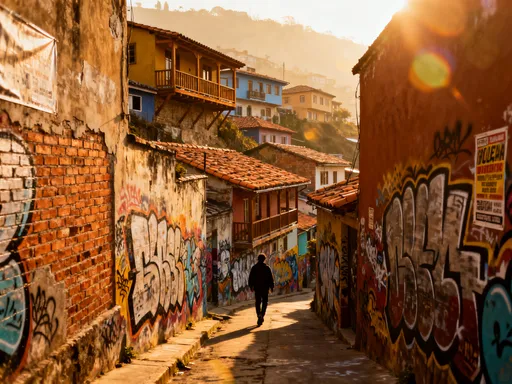
Extending the walk beyond Maximilianstraße leads to quieter discoveries. In the Gostenhof district, street art covers old factory walls, blending political messages with playful designs. The weekly Gostenhof Market brings farmers, bakers, and artisans together, turning commerce into community. A self-guided walking route could begin at the Hauptmarkt, wind through the KunstKulturQuartier, continue down Maximilianstraße, and end at the banks of the Pegnitz, where locals picnic and children sail paper boats.
This kind of exploration rewards slowness. Sitting on a bench to watch a puppet show in a hidden courtyard. Joining a free gallery tour offered by a volunteer docent. Buying a handmade ornament not as a souvenir, but as a token of connection. These experiences don’t require tickets or schedules—they just require attention. And in paying attention, visitors become part of the city’s cultural rhythm, if only for a day.
Making the Most of Your Visit: Practical Tips for Cultural Explorers
To truly appreciate Nuremberg’s cultural depth, a little planning goes a long way. The Nürnberg Card is one of the smartest investments for travelers. Available for 24, 48, or 72 hours, it grants free entry to over 40 museums and attractions, including Albrecht Dürer’s House, the Neues Museum, and special exhibitions at the KunstKulturQuartier. It also includes unlimited public transportation, making it easy to move between venues without stress.
Timing matters. Spring (April to June) and early autumn (September to October) offer mild weather and fewer crowds, ideal for walking tours and outdoor cultural events. Summer brings festivals, but also higher visitor numbers. Winter, while cold, has its charm—especially during the Christmas market season, when many cultural venues host special performances and craft workshops.
When planning your itinerary, group venues by location. Start in the Altstadt with Dürer’s House and the Hauptmarkt, then walk to the Neues Museum and KunstKulturQuartier, both within 15 minutes. Use the U-Bahn or tram for farther sites, like the Dokumentationszentrum Reichsparteitagsgelände, which offers powerful historical context. Allocate at least two full days to explore without rushing—three if you include day trips to nearby towns like Rothenburg ob der Tauber.
Decide between guided and self-guided experiences based on your interests. Guided tours, especially at historical or complex sites, provide valuable context. Many are offered in English and last 60 to 90 minutes. For a more personal pace, self-guided audio tours or printed maps allow flexibility. Some museums offer family kits with activities for children, making cultural visits enjoyable for all ages.
Finally, respect the quiet dignity of these spaces. In small theaters and artist studios, speak softly and turn off phone ringtones. Ask before photographing live performances or working artists. These gestures honor the creators and enhance everyone’s experience. Remember, you’re not just a visitor—you’re a guest in a living cultural community.
Nuremberg’s cultural venues aren’t just places to check off a list—they’re invitations to understand a city that remembers, creates, and shares with quiet pride. By stepping beyond postcards and into real artistic spaces, travelers gain more than memories: they gain connection. Let this be your call to explore deeper, slower, and with curiosity. The culture is waiting.