What if helping your neighbors was as easy as sending a text?
Ever felt disconnected from the people living just next door? I did—until I spent a weekend trying out neighborhood mutual aid apps. What I expected was a digital chore. What I got was surprise connections, shared meals, and a stronger sense of community. This isn’t about high-tech fixes; it’s about real life, simpler and more connected. Let me show you how one quiet weekend changed the way I see my neighborhood—and myself.
The Quiet Neighborhood Problem
There’s something quietly sad about living on a street full of homes but feeling alone. I used to walk past houses every day, nodding at familiar faces without knowing their names. We’d exchange polite waves, maybe a quick smile, but that was it. No conversations. No shared stories. No sense of belonging. It wasn’t that anyone was unfriendly—it was just that life moved too fast to stop and say hello. Between work, errands, and family routines, building real connections with neighbors felt like an extra chore I never had time for.
Then one rainy Saturday, I found myself staring out the window, watching a neighbor struggle to carry grocery bags up their slippery driveway. I wanted to help, but I didn’t know them well enough to step in. That moment hit me: I live surrounded by people, yet I’m isolated. I realized I didn’t even know who to call if my sink leaked or my dog got loose. That sense of disconnection isn’t unique to me. Studies show that fewer than half of Americans know most of their neighbors by name. We’re physically close but emotionally distant. And in times of need—whether it’s a storm, a sick child, or just a lonely evening—that gap can feel huge.
So that weekend, I made a decision. Instead of waiting for a crisis to force connection, I’d try something small: a neighborhood mutual aid app. I’d heard about them—digital platforms designed to help people share tools, favors, and support locally. I wasn’t sure what to expect. Would it feel awkward? Fake? Or could it actually help me build real relationships with the people just steps from my front door?
First Clicks: My Hesitant Start
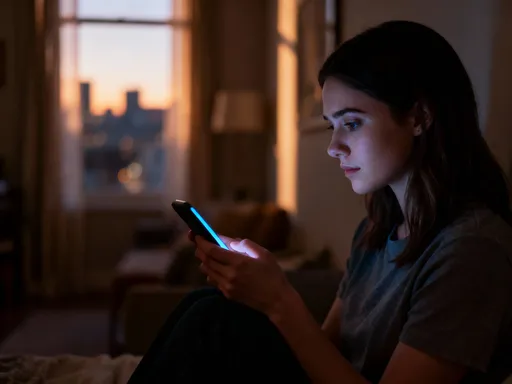
Downloading the app felt like stepping into uncharted territory. I’m not a tech expert, and I’ve always been cautious about sharing anything online. What if strangers saw my address? What if someone thought I was asking for too much? I sat on the couch, phone in hand, hesitating. It wasn’t the technology that scared me—it was the vulnerability of reaching out. Asking for help, even something small, made me feel exposed.
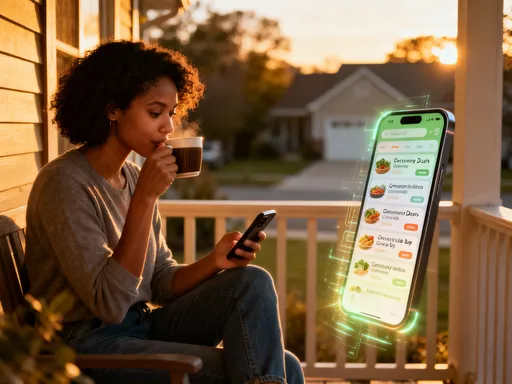
But I took a breath and opened the app. The design was clean and simple, with big buttons and clear labels. No confusing menus. No jargon. Just a space to post what I needed or offer what I had. I decided to start small. I typed: “Can anyone lend a ladder? Need to clean gutters this weekend.” I reread it three times, wondering if it sounded too demanding. Then I hit send.
Within an hour, my phone buzzed. It was Mr. Lee, who lives two doors down. I’d seen him mowing his lawn a few times but never spoken. His message was warm: “Sure, I’ve got one you can borrow. Just let me know when you’d like to pick it up.” We arranged a time, and when I walked over, he greeted me with a smile and a quick safety tip about leaning ladders against gutters. That small exchange—just a few minutes of real conversation—felt like a breakthrough. It wasn’t just about the ladder. It was about being seen. Heard. Connected.
The Learning Curve: Simpler Than I Feared
I’ll admit, I expected the app to be complicated. My past experiences with tech—endless settings, confusing icons, updates that break everything—had left me wary. But this was different. The app was built for people like me: not tech-savvy, but willing to try. The interface was intuitive. Posting a request took seconds. Responding to someone else’s need was just a tap away. Even the privacy settings were easy to understand—no legalese, no hidden permissions.
By the second day, I wasn’t just using the app—I was living in it. I checked it while making coffee, scrolled through posts while waiting for the dryer to finish, and even shared a quick update from the garden. I borrowed a drill to hang shelves, offered extra basil from my planter, and helped a woman find her lost dog leash. Each interaction was low-pressure, no strings attached. There was no expectation of repayment, no guilt if I couldn’t help. It was just people being kind, in small, practical ways.
The real learning curve wasn’t technical—it was emotional. It took me time to get over the idea that asking for help was a weakness. But the app gently challenged that belief. Every time someone responded to my request, I felt a little more comfortable. And every time I helped someone else, I felt a little more part of something. The tool didn’t create community. It simply made it easier to act on the kindness that was already possible.
Unexpected Help, Real Connections
Sunday morning brought a post that caught my eye: “Need someone to water my plants while I visit my sister for three days.” I could do that. I love plants, and I was home anyway. I sent a quick message, arranged to pick up the key, and spent the next few days checking in on their ferns and succulents. When the neighbor returned, they left a thank-you note and a plate of homemade oatmeal cookies on my porch. No transaction. No receipt. Just gratitude.
That moment stayed with me. It wasn’t about the plants or the cookies. It was about the quiet dignity of being trusted. Of being needed. Of showing up for someone in a small but meaningful way. I started noticing more posts—requests for recipe swaps, offers to share extra firewood, someone asking for advice on fixing a leaky faucet. I responded to a few, and each time, a new thread of connection formed.
One woman, Sarah, needed help assembling a bookshelf. I wasn’t an expert, but I had time and a screwdriver. We spent an hour putting it together, laughing at our misaligned screws and celebrating when it finally stood upright. By the end, we were chatting about our kids, our favorite books, and how long we’d lived on the street. It felt natural, like friendship growing from soil we didn’t even know was fertile. These weren’t grand gestures. They were tiny, everyday acts of care. But together, they were rebuilding something bigger: a neighborhood that feels like a community.
Teaching My Mom: Bridging the Generational Gap
I knew my mom would never download the app on her own. At 68, she’s mastered texting and video calls, but anything that feels like “social media” makes her nervous. She worries about scams, privacy, and “those apps that steal your information.” So when I suggested she try the mutual aid platform, she raised an eyebrow. “Why would I need that? We’ve got each other,” she said, meaning family.
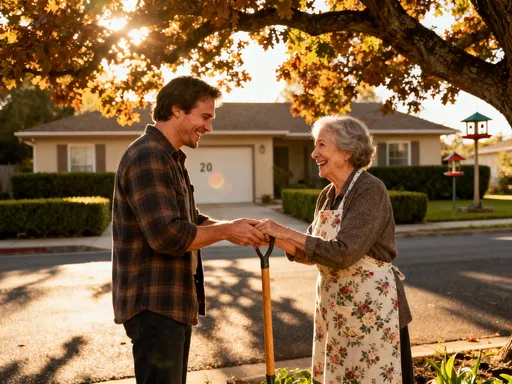
But I showed her anyway. I pulled up the screen and pointed to a post from a neighbor offering free gardening tools—shovels, rakes, even a wheelbarrow. “Look,” I said. “Mrs. Patel next to the blue house. She’s letting people borrow these. You’ve been wanting a new trowel, right?” Her eyes lit up. “Well, that’s kind of her,” she said, leaning in. “I could use that.”
With my help, she made her first post: “Looking for tomato cages. Happy to trade homegrown veggies!” Within hours, someone replied with a “Yes!” and a photo of sturdy metal cages. They arranged a porch pickup, and the next day, Mom was showing off her new garden setup like she’d won a prize. But more than that—she was smiling. Proud. Connected.
Watching her use the app gave me chills. It wasn’t just about convenience. It was about inclusion. She’d spent years feeling left behind by technology, but this tool was different. It wasn’t about likes or followers. It was about real help, real people, real kindness. And for the first time, she felt part of the digital world—not because it was flashy, but because it served her life.
From Skeptic to Believer: How One Weekend Changed My View
By Sunday evening, I’d borrowed a drill, returned a lost dog leash, shared extra cherry tomatoes, and helped assemble a bookshelf. I’d also exchanged phone numbers with three neighbors, shared a laugh with Mr. Lee, and received a thank-you note with cookies. None of this happened because of advanced algorithms or flashy features. It happened because a simple tool made it easy to do what we’ve always wanted to do—help each other.
I realized something important: these apps don’t create community. They reveal it. The connections were always possible. The willingness was there. What was missing was a simple way to say, “I need help,” or “I can help.” The app didn’t replace face-to-face interaction—it invited it in. Each message led to a porch chat, a shared moment, a small act of trust.
And the best part? It didn’t require a big time commitment. I didn’t have to attend meetings or sign up for committees. I just had to be open. To look at my phone and say, “I can do that.” Or “I need that.” That one weekend didn’t just change how I used technology—it changed how I saw my neighborhood. It wasn’t just a collection of houses. It was a network of people, each with something to give and something to need.
Why This Matters: More Than Just Convenience
Neighborhood mutual aid apps are often sold as time-savers. And yes, they are. Borrowing a ladder beats buying one. Getting help with plants while you’re away is a relief. But what I learned that weekend goes far beyond convenience. These tools restore something deeper: the quiet, everyday kindness that used to define neighborhoods. The kind where you could borrow sugar, get advice on a sick pet, or find someone to watch your home during a storm—without money changing hands.
In a world that often feels divided, these small digital bridges remind us that we’re not alone. They help us see each other not as strangers behind closed doors, but as neighbors with stories, skills, and hearts. They make it easier to say, “I’m here,” without having to knock on every door.
And for women—especially those managing households, raising kids, or caring for aging parents—this kind of support can be life-changing. It’s not just about saving time. It’s about saving energy. Emotional energy. The kind that gets drained by isolation, by feeling like you have to do it all yourself. When you know there’s someone nearby who can lend a hand, even in a small way, it changes how you move through the world. You feel lighter. Safer. More connected.
That weekend taught me that community isn’t something you find—it’s something you build, one small act at a time. Technology didn’t create it, but it helped me see it, access it, and contribute to it. And sometimes, all it takes is a single message. A simple “Can I help?” or “I need a hand.” So if you’ve ever looked out your window and wished your street felt more like a neighborhood, try pressing send. You might be surprised by who answers. And you might just find, like I did, that home isn’t just a place. It’s the people next door.