Tired of Missing Family Time Because of Commutes? How Ride-Hailing Gave Me Back My Evenings
You know that exhausted feeling after a long day—when all you want is to hug your kids, share a meal, or just breathe at home—yet you’re stuck in traffic, again? I’ve been there. Sitting in the car, gripping the wheel, watching the minutes tick by while my youngest was probably already asleep, missing another bedtime story. The guilt, the fatigue, the sense of being pulled in ten directions—it wore me down. But what if getting home wasn’t a battle? What if, instead of fighting gridlock, you could spend that time unwinding, connecting, or simply being present? Ride-hailing didn’t just change how I travel; it quietly reshaped my work-life rhythm, gave me back time, and helped me stay present where it matters most. This is how it can do the same for you.
The Daily Grind That Drained My Life
There was a time when my days felt like a loop: wake up too early, rush the kids out the door, drop them off, drive to work, sit in traffic, work through lunch, drive back, pick up the kids, scramble to make dinner, help with homework, and collapse—only to do it all again the next day. And the worst part? I wasn’t really there. Not emotionally. I was so drained from the commute that by the time I walked through the front door, I had nothing left to give. My daughter would ask me about her school play, and I’d nod along, already thinking about tomorrow’s meetings or the grocery list. My son would show me his drawing, and I’d say, “That’s great, honey,” while mentally calculating how long it would take to get to the dry cleaner before it closed.
It wasn’t just the hours lost—it was the energy, the focus, the emotional bandwidth. I wasn’t just commuting; I was surviving. And I know I’m not alone. So many of us—especially women juggling careers, kids, and households—feel like we’re constantly behind, always catching up. We tell ourselves it’s temporary, that we’re doing it for our families. But what if we’re giving so much of ourselves that we have nothing left to give? What if the price of “making it work” is missing the very moments we’re working so hard to protect?
That’s when I started questioning the cost of convenience. Was driving really saving me money if it was costing me connection? Was being “in control” of the car worth being out of control of my time and energy? I realized I wasn’t managing my schedule—I was being managed by it. And that’s when I decided to try something different. Not because I wanted to be flashy or live like a CEO, but because I wanted to be a better mom, a better partner, and honestly, a better version of myself. I downloaded a ride-hailing app for the first time, not knowing it would become one of the most meaningful tools in my daily life.
How a Simple App Became My Time Saver
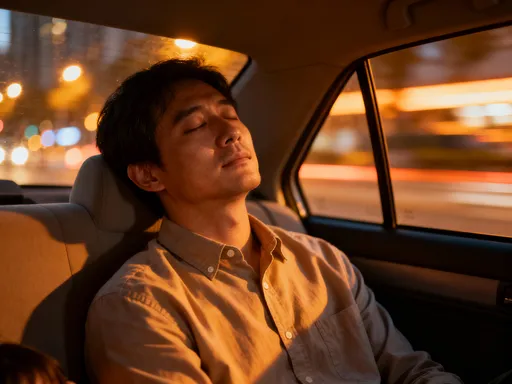
I’ll admit, I was skeptical at first. Ride-hailing felt like something other people did—business travelers, young singles, or folks with bigger budgets. I thought, “This isn’t for someone like me.” But one rainy Tuesday, when my car was in the shop and I had a work dinner across town, I had no choice. I opened the app, tapped a few buttons, and within minutes, a car pulled up. I slid into the back seat, closed my eyes, and for the first time in years, I didn’t have to focus on the road. I didn’t have to worry about parking, traffic updates, or which exit to take. I just… breathed.
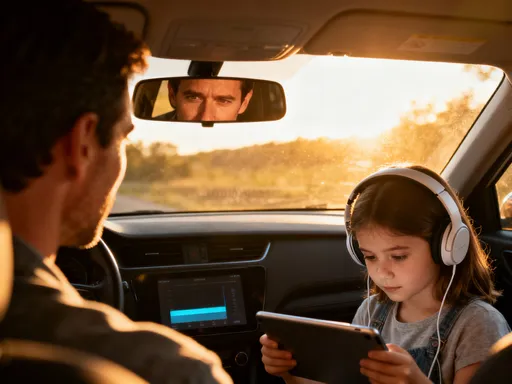
That short ride changed everything. Instead of white-knuckling the wheel, I called my sister and actually listened to her. I reviewed my notes for the meeting without stress. I even watched a quick video my daughter had sent from school. It wasn’t just the physical rest—it was the mental space. The relief of not being responsible for navigating, for reacting to every brake light, for staying alert when I was already exhausted. That ride didn’t just get me from point A to point B; it gave me back a piece of my evening.
And the more I used it, the more I realized this wasn’t about laziness or luxury—it was about efficiency with heart. I wasn’t avoiding responsibility; I was reallocating my energy. Every time I chose a ride instead of the driver’s seat, I was choosing to arrive calmer, more present, and more available. It wasn’t about giving up control; it was about gaining control over how I spent my most precious resource: time. The app became less of a novelty and more of a lifeline—a small, simple tool that quietly started to shift the rhythm of my life.
Reclaiming Evenings: From Survival Mode to Presence
The real magic didn’t happen in the car—it happened at home. Because when I wasn’t spending an hour fighting traffic, I was walking through the door 45 minutes earlier. And those 45 minutes? They weren’t just added to my day—they transformed it. I started showing up for bedtime routines again. I helped my son with his math homework without rushing. I sat with my partner over a real dinner, not something microwaved between errands. We talked. We laughed. We just… were.
One night, my daughter asked, “Mom, why are you home so early?” And instead of saying, “I got out of work faster,” I said, “Because I wanted to hear about your day.” And I meant it. That moment hit me—this wasn’t just about logistics. It was about intention. Ride-hailing gave me the gift of presence. I wasn’t just physically there; I was emotionally available. I wasn’t thinking about the drive home while I was supposed to be listening to my child. I wasn’t mentally preparing for tomorrow while my partner was trying to connect with me today.
And the ripple effects spread. Because I was less tired, I had more patience. Because I was less stressed, I was more present with my family. Because I wasn’t constantly in survival mode, I could actually enjoy the small things—reading a story, making pancakes on a Saturday morning, even folding laundry together. These weren’t grand gestures. They were ordinary moments. But they were the moments that built connection, that strengthened our family, that made me feel like I wasn’t just keeping up—I was living.
Building Connections Beyond the Commute
One of the surprises of using ride-hailing was how it opened up new kinds of human connection. At first, I treated every ride as a chance to zone out—put in my earbuds, check emails, or just close my eyes. But over time, I started noticing the drivers. Not just as service providers, but as people with stories, insights, and kindness.
I remember one driver, Maria, who shared how she’d moved here from another state to be closer to her grandkids. We talked about raising kids, the challenges of balancing work and family, and how much she loved watching her granddaughter dance. Another time, a driver named James gave me the name of a little family-owned bakery that made the best cinnamon rolls in town—turns out, it’s now a weekend tradition with my kids. These weren’t long conversations, but they were real. And in a world that often feels disconnected, these small moments of warmth mattered.
It made me realize that commuting in my own car wasn’t just tiring—it was isolating. I was alone with my thoughts, often anxious or distracted. But in a ride, I had the choice: I could be alone, or I could be open. And when I chose to be open, I found that the city felt smaller, friendlier, more human. I started recognizing drivers, exchanging smiles, even sharing holiday wishes. It wasn’t just about getting from place to place—it was about feeling part of a community, even in the middle of a busy day.
Balancing Work Demands Without Losing Yourself
Work didn’t stop just because I wanted more balance. There were still late meetings, last-minute calls, and networking events across town. But instead of dreading them, I started seeing them as opportunities—to grow, to connect, to contribute—without sacrificing my personal life. Because with ride-hailing, staying late didn’t mean coming home drained and distant. I could use that time in the car to transition—wrap up work thoughts, listen to a podcast, or just rest before walking into my home as a mom, not just a professional.
I remember one evening, I had a client dinner that ran longer than expected. In the past, I would’ve stressed the whole drive home, angry at the extra time on the road, already resentful before I even walked in the door. But this time, I called a ride. I sat in the back, sipped water, reviewed my notes, and mentally shifted gears. When I got home, my kids were asleep, but my partner and I had a real conversation—calm, connected, unhurried. I wasn’t bringing the stress of the day into the house with me. I was leaving it behind, literally and emotionally.
And it wasn’t just about evenings. Early morning meetings? No more waking up at 5 a.m. to beat traffic. Out-of-town conferences? I could focus on the event, not the rental car or parking garage. Ride-hailing became my buffer—a way to protect my energy so I could show up fully, whether at work or at home. It wasn’t about avoiding responsibility; it was about managing it sustainably. I wasn’t burning out to prove I could do it all. I was creating a life where I didn’t have to.
Making It Work for Real Life: My Simple Rules
I know what you might be thinking: “Isn’t this expensive?” “Isn’t it a luxury I can’t afford?” I get it. When I first started, I worried about the cost too. But I realized something important: it’s not about using ride-hailing for every single trip. It’s about using it strategically—where it gives you the most value.
So I made a few simple rules for myself. First, I use it most during high-stress times—late nights, bad weather, or when I’ve had a particularly long day. Second, I combine trips when I can. Instead of driving to the grocery store, the pharmacy, and the post office separately, I’ll do one ride and hit all three. Third, I share rides with colleagues when we’re going to the same meeting—it’s cheaper, greener, and often more fun. And fourth, I set a monthly budget, just like I do for dining out or clothing. That way, it feels intentional, not impulsive.
I also use it for self-care. If I have a doctor’s appointment, a haircut, or a coffee date with a friend, I’ll often take a ride instead of driving. Why? Because those moments matter. They’re not chores—they’re investments in my well-being. And when I don’t have to worry about parking or traffic, I can actually enjoy them. I’ve even started using it for weekend outings with the kids—no more arguing over who gets the front seat or where to park at the zoo. We just hop in, relax, and enjoy the ride.
The key is mindfulness. Ride-hailing isn’t a magic fix—it’s a tool. And like any tool, it works best when used with intention. It’s not about replacing all driving. It’s about replacing the driving that drains you, so you can keep the driving that brings you joy—like road trips with the family or driving your teenager to their first job.
A Smarter Life Isn’t About Speed—It’s About Space
Looking back, I realize ride-hailing didn’t just save me time. It gave me space—space to breathe, to connect, to be human. It didn’t make my life faster; it made it fuller. The extra minutes, the calmer arrivals, the deeper conversations—they added up in ways I never expected. I’m not just surviving my schedule anymore. I’m living within it.
And that’s the thing about technology at its best—it doesn’t replace humanity. It enhances it. It doesn’t isolate us; it connects us. It doesn’t make us colder or more distant; it helps us show up warmer, closer, more present. Ride-hailing didn’t change my life because it’s flashy or futuristic. It changed my life because it gave me back the moments that matter—the bedtime stories, the shared meals, the quiet hugs at the end of a long day.
If you’re feeling stretched thin, if you’re missing moments with your family, if you’re tired of arriving home already exhausted—know this: you don’t have to keep doing it the hard way. You don’t have to prove you can handle it all by doing it all. Sometimes, the bravest thing we can do is choose a little ease, a little help, a little kindness—to ourselves. Because when we take care of our energy, we have more to give. When we protect our time, we protect our relationships. And when we make space for what matters, we don’t just survive life—we live it.
So the next time you’re sitting in traffic, wondering where the day went, ask yourself: what if this time could be different? What if, instead of losing another evening, you could give yourself the gift of presence? It might start with a simple tap on your phone. But it could end with a deeper connection, a fuller heart, and a life that finally feels like your own.