I thought she’d never use tech: How health sensors gave my mom independence—and me peace of mind
When my mom started living alone, I worried constantly. One fall, she didn’t answer her phone for hours—turns out, she’d slipped in the kitchen and couldn’t reach her phone. That moment changed everything. I realized love isn’t just about checking in; it’s about creating real safety. Today, small sensors on her nightstand, under her mattress, even in her watch quietly track her breathing, movement, and sleep. They don’t replace care—they make care smarter. And for the first time, I breathe easier too.
The Moment Everything Changed
I still remember the call I didn’t get. It was a Thursday afternoon, crisp and golden with early autumn light. I had just tucked the kids into the car after soccer practice when I tried calling Mom, like I did every day around 4:30. No answer. I didn’t think much of it at first—maybe she was gardening, or on the phone with her sister. But by 6 p.m., with no return call and a growing knot in my stomach, I called my brother. He tried too. Nothing. That’s when we both jumped into our cars, racing to her house 20 minutes away, hearts pounding with every mile.
When we got there, the front door was locked. The garden looked peaceful, her slippers still by the back step. We let ourselves in with the spare key, calling her name. Then we found her—on the kitchen floor, pale and shaken, unable to get up after slipping on a wet patch near the sink. She’d been there for nearly three hours, too dizzy and sore to crawl to the phone. She wasn’t seriously injured, thank goodness, but that didn’t erase the guilt, the fear, the haunting thought: What if it had been worse? What if she’d been alone for days?
That night, everything shifted. I loved my mom fiercely, but love alone wasn’t enough. Daily check-in calls, weekly visits, even her neighbor stopping by—none of it guaranteed real-time safety. I didn’t want to move her into an assisted living facility. She loved her home, her garden, her independence. But I couldn’t keep living in fear. I needed a way to protect her without taking away her freedom. That’s when I started looking into how technology could quietly stand guard—without making her feel watched, controlled, or fragile.
Rethinking Safety for Aging Loved Ones
For years, the only options for monitoring an aging parent felt invasive. Cameras in the living room. Panic buttons that dangled like hospital bracelets. Systems that screamed alerts at the slightest noise. My mom would’ve hated all of it. She’s always been proud, self-reliant, the kind of woman who fixed her own sink and balanced her checkbook with a fountain pen. To her, those old-school safety tools felt like a surrender—a sign that she was no longer in charge of her own life.
But the truth is, more and more of us are facing this same dilemma. According to the AARP, nearly 80% of adults over 50 want to age in place—stay in their own homes as they get older. And why wouldn’t they? Home is where the memories are. Where the garden blooms just right. Where the coffee tastes best in that chipped mug from 1987. But aging in place doesn’t mean it has to be risky. In fact, with the right tools, it can be safer than ever.
The good news? Technology has evolved. We’re no longer stuck with clunky, impersonal systems that feel like prison surveillance. Today’s smart health tools are designed with dignity in mind. They don’t watch. They don’t listen. They don’t demand attention. Instead, they work quietly in the background, learning what’s normal and only speaking up when something’s off. They’re not about control—they’re about confidence. For her, the confidence to live freely. For me, the confidence that she’s safe.
And it’s not just about emergencies. It’s about peace. About knowing she’s sleeping well, that she got up for breakfast, that she took her walk around the block. These small moments matter. They’re the rhythm of a life well-lived. And now, for the first time, we can honor that rhythm without hovering.
Invisible Guardians: How Passive Monitoring Works
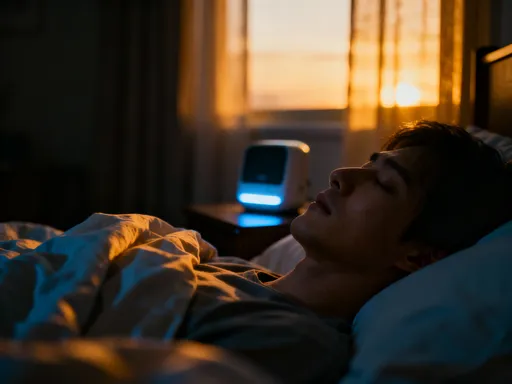
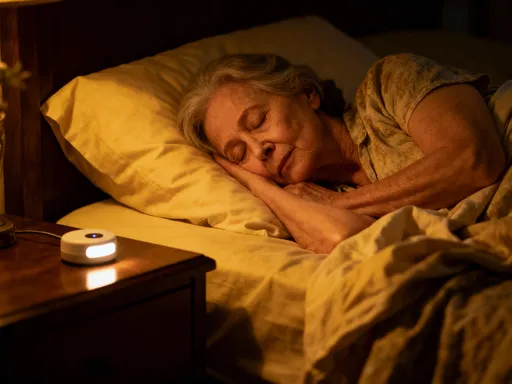
Let me tell you about the little device that sits on Mom’s nightstand. It looks like a small speaker, maybe the size of a coffee mug. No buttons. No screen. No wires. It just sits there, calm and unassuming. But inside, it’s doing something remarkable. Using something called radar-based sensing—yes, like the kind used in weather forecasting or self-driving cars—it gently sends out low-power signals that bounce off her body as she sleeps. It tracks her breathing rate, her heart rate, even how much she moves during the night. And it does it all without touching her, without a camera, without needing her to wear anything.
I know that sounds like science fiction. It did to me, too, at first. But think of it like a digital nightlight—one that doesn’t glow, but listens. It learns her patterns over time. If she usually gets up at 6:15 a.m. to make tea, and one morning she doesn’t move by 7:30, I get a gentle alert on my phone. Not a siren. Not a panic. Just a soft notification: Mom hasn’t started her morning routine. That’s when I call. Maybe she’s just reading in bed. Maybe she’s not feeling well. Either way, I know—without having to ask, without waking her up just to check.
There’s another sensor under her mattress, too. It’s paper-thin, like a sheet protector, and it tracks her sleep quality—how long she sleeps, how often she wakes up, whether she’s restless. This one helped us spot a pattern: she was waking up every two hours, not because of pain, but because she was anxious about falling. That small insight led us to install nightlights in the hallway and a non-slip mat in the bathroom. Simple fixes. Big difference.
And here’s what I love most: there’s no video. No audio. No one watching her. The data is encrypted, stored securely, and only shared with people she trusts—me, her doctor, if she chooses. These aren’t surveillance tools. They’re like quiet guardians, standing watch while she lives her life.
Wearables That Feel Like Care, Not Tech
Now, I’ll admit—I was skeptical about wearables. When I first showed Mom a smartwatch, she rolled her eyes. “I’m not putting on some gadget just to be tracked,” she said. And honestly? I didn’t blame her. Early medical alert devices looked like something out of a hospital drama—big, clunky, with a red button that screamed “I’m old and fragile.” No wonder so many seniors resist them.
But today’s wearables are different. The one Mom wears now looks like a simple watch—slim, silver, elegant. She picked it out herself. It tracks her heart rate, her steps, her sleep. But the real magic is in the fall detection. If she trips and falls, and doesn’t move for a minute, the watch automatically sends an alert to me and to a 24/7 monitoring center. They call her. If she doesn’t answer, they send help.
It’s not just about falls, though. One evening, she sat down in her favorite armchair and didn’t get up for hours. The watch noticed she hadn’t moved, and her heart rate was slightly elevated. It sent a low-priority alert—just a heads-up. I called. She answered, sounding a bit dazed. Turns out, she’d dozed off after taking a new medication, and was feeling lightheaded. We adjusted the dosage with her doctor, and it never happened again. That small alert didn’t just catch a problem—it prevented one.
And the best part? She forgets it’s there. She doesn’t have to charge it every night. It lasts for days. She doesn’t have to press buttons or open apps. It just works. For her, it’s not a medical device. It’s a companion. A quiet voice that says, “I’ve got you.”
Smart Homes That Anticipate Needs
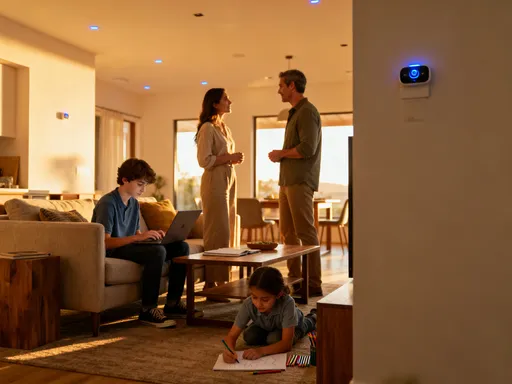
Technology isn’t just about tracking health—it’s about shaping a safer, more comfortable home. We made a few simple upgrades that made a world of difference. One of the first was smart lighting. Now, when Mom gets up at night, motion-sensor lights gently turn on in the hallway and bathroom. No more fumbling for switches. No more stubbed toes. The lights are warm, not harsh, so they don’t disrupt her sleep cycle.
We also added door and window sensors. Not for security—though that’s a nice bonus—but to track routine. If her front door doesn’t open by 10 a.m., when she usually takes her morning walk, I get a gentle alert. Again, not a panic. Just a nudge. Maybe she’s reading. Maybe it’s raining. But if it’s unusual, I check in. It’s not about control. It’s about connection.
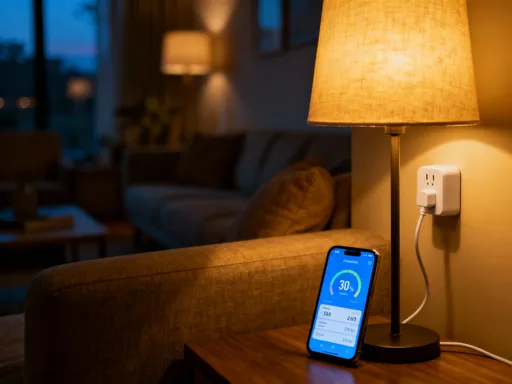
Then there’s the coffee maker. Yes, really. It’s a smart plug that connects to her old-fashioned coffee pot. If it’s still on after 11 a.m., long after she’s finished her morning cup, I get a notification. One morning, it stayed on. I called. She’d forgotten to turn it off. A small thing, but left unattended, it could’ve been dangerous. Now, I can remind her—or even turn it off remotely. It’s not about nagging. It’s about safety wrapped in love.
And here’s the thing: none of this is expensive or complicated. Most of these devices cost less than a weekend getaway. They’re easy to install. They work together. They don’t take over the home—they enhance it. They’re not for tech geeks. They’re for families who want to care better, without being there every second.
Making It Work for Real Families
I know what you’re thinking: “That sounds great, but my mom would never go for it.” I thought the same. The key, I learned, isn’t to present it as safety gear. It’s to present it as freedom. When I talked to Mom, I didn’t say, “We need to monitor you.” I said, “What if you could live exactly how you want—and I could stop worrying so much?” That changed everything.
We started small. Just one sensor under the bed. “Try it for a week,” I said. “If you don’t like it, we take it out.” She agreed. A week turned into a month. Then we added the watch. Then the smart lights. Each step, she was part of the decision. She chose the watch style. She picked where the lights went. This wasn’t my system. It was ours.
Another tip: make it a bonding experience. My friend Lisa calls it “tech tea time.” Every Sunday, she visits her mom with a cup of tea and introduces one new feature. No pressure. No jargon. Just, “Look what this little light does when you get up at night.” Slowly, her mom went from skeptical to curious to proud of her “smart house.”
Cost was a concern at first. But when we added up what we were spending on emergency response services and late-night drives, the tech paid for itself in peace of mind. Many devices are covered by insurance or senior care programs. Some come with monthly plans as low as $20. And the emotional ROI? Priceless.
The biggest hurdle was trust. But trust grows with transparency. We set up the app together. I showed her exactly what data was collected and who could see it. She has full control. She can turn things off anytime. This isn’t surveillance. It’s shared care.
Peace of Mind Is a Shared Gift
The other day, I got a call from Mom. “Hi, just checking in,” she said. My heart did a little flip—not from fear, but from joy. Because that’s the real gift of this technology. It didn’t just keep her safe. It gave us back our relationship.
Before, our calls were heavy. “Did you eat?” “Are you sure you’re okay?” “Did you take your pills?” Now, they’re light. “The roses are blooming.” “I tried that recipe you sent.” “The birds are back at the feeder.” We laugh more. We worry less. The silence between us isn’t filled with fear—it’s filled with comfort.
And for me? I sleep better. I don’t wake up wondering if she’s okay. I know. Not because I’m watching. Not because I’m controlling. But because quiet, gentle technology is keeping watch so I don’t have to.
This isn’t about replacing love. It’s about making room for more of it. The sensors, the watches, the smart lights—they don’t hug her. They don’t make her tea. They don’t remember her birthday. I do. But they let me love her more freely. They let me be her daughter, not her warden.
When I look at that little device on her nightstand, I don’t see tech. I see care. I see connection. I see a future where aging isn’t something to fear, but something we can navigate with grace, dignity, and a little help from the tools that love us back.