More than white noise: Sleep gadgets that quietly transformed my nights and mornings
Sleep used to be something I struggled through—tossing, turning, and dreading the next groggy morning. I tried everything: herbal tea, meditation, even counting sheep. But what finally worked wasn’t a ritual—it was technology that understood my rhythm. These aren’t flashy gadgets; they’re quiet helpers that learned when I needed calm, how to ease me into sleep, and even made waking up feel natural. This is how real rest finally became part of my everyday life. And if you’ve ever lain awake wondering why your body won’t relax, or hit snooze five times before dragging yourself out of bed, I want you to know—there’s a gentler way.
The Night I Realized I Wasn’t Just Tired—But Chronically Sleep-Deprived
It wasn’t one bad night that made me face it. It was the accumulation—waking up every morning feeling like I hadn’t really slept at all, even after eight hours in bed. I remember standing in front of the bathroom mirror one Saturday morning, my daughter tugging at my sleeve, asking me to tie her shoes. I looked at her, blinked slowly, and realized I couldn’t remember what she’d just said. Not because I wasn’t listening, but because my brain was so foggy, so heavy, that words just slipped through. That moment hit me like a quiet thunderclap. I wasn’t just tired. I was running on empty, day after day, and it was stealing pieces of my life.
My mood was unpredictable. I’d snap at my partner over tiny things—laundry left on the couch, the coffee pot not refilled. I felt guilty immediately, but the frustration bubbled up before I could stop it. At work, I was present but distracted, reading the same email three times without absorbing it. I started canceling plans with friends, not because I didn’t want to see them, but because the thought of making small talk felt exhausting. And the worst part? I didn’t know how to fix it. I thought I was doing everything right—early dinners, no caffeine after noon, even a bedtime routine. But still, sleep felt like something I had to fight for, not something that came naturally.
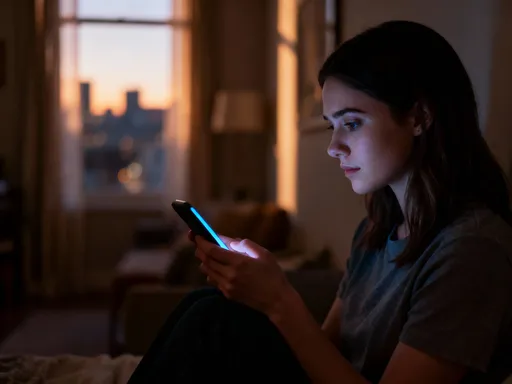
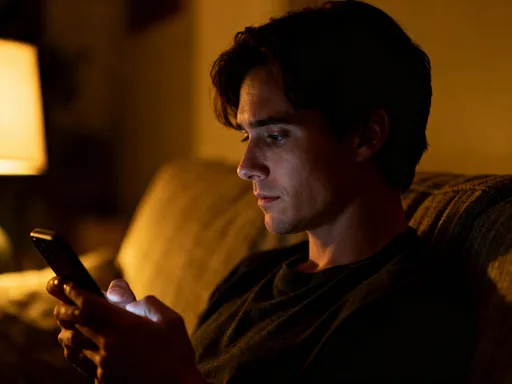
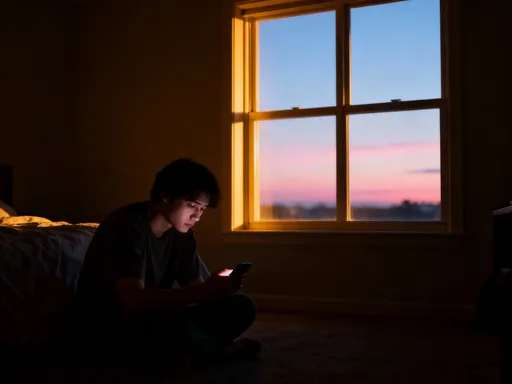
Then one night, after yet another hour of staring at the ceiling, I decided to stop guessing. I downloaded a simple sleep tracker that didn’t require wearing anything—just placed under the mattress. No pressure, no judgment. Just data. After a week, I saw patterns I’d never noticed. My sleep wasn’t broken by stress or noise—it was disrupted by my own habits. My bedroom was too warm. The glow from my phone before bed was delaying my natural melatonin release. And I wasn’t actually falling asleep when I thought I was. The tracker showed I was lying awake for nearly 45 minutes each night, convinced I was relaxing, when my body was still alert. That was the turning point. I realized sleep wasn’t just about time in bed—it was about quality, environment, and rhythm. And maybe, just maybe, technology could help me find it.
Finding Calm in Small Things: How Gentle Sounds Became My Nightly Anchor
I’ll admit, I used to roll my eyes at sound machines. The idea of filling my room with white noise felt artificial, like background noise for robots. I tried one years ago—a basic model with a few preset sounds—and it was loud, harsh, and didn’t help at all. But what I discovered later was that not all sound tech is the same. The right kind doesn’t overpower your senses; it wraps around them, like a soft blanket for your ears.
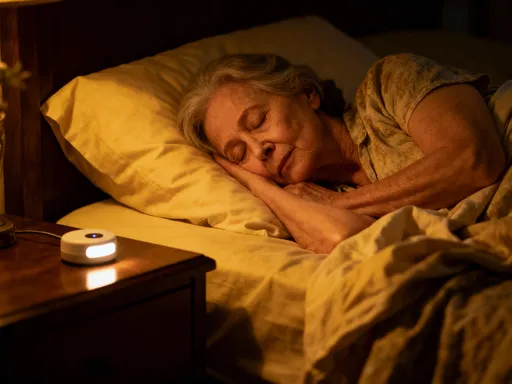
About a year into my sleep journey, I found a small device that played adaptive soundscapes. Instead of blasting one constant tone, it adjusted in real time—lowering the volume when the room was quiet, adding subtle layers when outside noise crept in, like a car passing by or the hum of the fridge kicking on. I started with a setting called “Distant Rain.” It wasn’t the sound of a storm, but the faint, rhythmic patter of droplets falling far away, mixed with the occasional rustle of leaves. It didn’t demand my attention. In fact, the more I stopped trying to focus on it, the more it helped me drift.
The real test came when my husband started snoring. He’s not a loud snorer, but even a soft rhythm could jolt me awake in the past. With the sound device, something changed. The gentle audio filled the gaps between breaths, creating a buffer that kept me from reacting to every little sound. I didn’t need to move, adjust pillows, or nudge him. I could just… stay. And that made all the difference. Over time, I experimented with other sounds—soft forest nights, ocean waves at low tide, even the faint crackle of a fireplace. The key wasn’t the sound itself, but how it made me feel. Did it feel safe? Calm? Like a place I wanted to sink into? That became my rule. If it felt clinical or forced, I skipped it. But when the sound felt personal, like a lullaby just for me, it became part of my ritual.
If you’re thinking about trying this, here’s what I’ve learned: start simple. Don’t buy the most expensive model right away. Try a free app with high-quality recordings and play it through a speaker across the room—not right by your head. Let the sound blend into the background. And give it time. It might feel strange at first, like your brain is still listening instead of resting. But after a few nights, something shifts. The sounds stop being something you notice and start being something that carries you. That’s when you know it’s working.
When My Bedroom Learned Me: The First Time a Device Felt Like It Cared
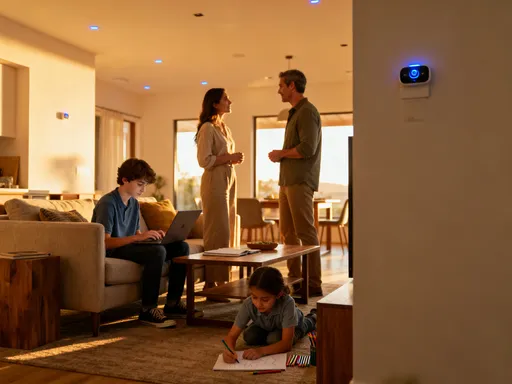
There’s a moment every night, when I walk into my bedroom, that I feel a quiet sense of relief. The lights are already dimmed—just enough to see, but not so much that they keep me alert. The air feels cool and fresh, not stuffy or too cold. It’s not magic. It’s my smart lighting and thermostat, working together to create a space that feels ready for me. And honestly? It feels like being taken care of.
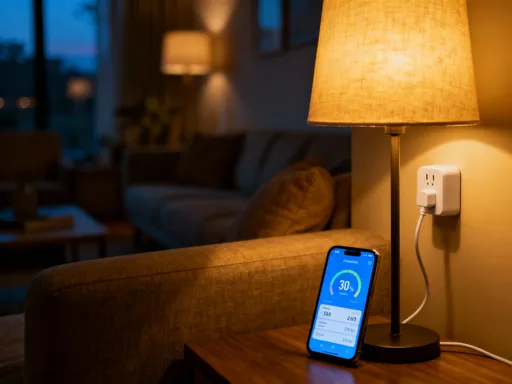
I didn’t grow up with smart homes. The idea of talking to a speaker or programming lights seemed like something from a sci-fi movie. But I started small. First, I replaced my bedside lamp with a smart bulb I could dim from my phone. Then I added one to the ceiling fixture. I programmed them to gradually dim over 30 minutes starting at 9 p.m., mimicking the way sunlight fades at dusk. Our bodies are wired to respond to light cues, and that slow transition tells my brain, “It’s okay to slow down now.” I noticed I wasn’t fighting the urge to scroll through my phone as much. The dimming light was a signal—time to close the laptop, put the book down, let go.
The thermostat was another game-changer. I used to wake up sweaty or shivering, never quite comfortable. I learned that the ideal sleep temperature for most people is between 60 and 67 degrees Fahrenheit. My smart thermostat learned my bedtime and started cooling the room an hour before I usually turned in. It even adjusted based on the weather outside. No more waking up at 3 a.m. to adjust the AC. No more cold feet in the winter. Just a steady, comfortable environment that supported rest instead of fighting against it.
What surprised me most was the emotional effect. I didn’t expect to feel comforted by a light or a thermostat. But walking into a room that feels calm, cool, and ready for sleep—it’s like the space is saying, “You’re safe here. You can rest.” That sense of being supported, even by inanimate objects, made me feel less alone in my struggle. Technology didn’t replace self-care. It made it easier to practice. And that, I’ve learned, is the best kind of help—quiet, consistent, and always there when you need it.
Waking Up Without the War: How Mornings Changed When Technology Took the Lead
For years, my mornings started with violence. Not from anyone else—from my alarm. That harsh, jarring beep that made my heart race before I even opened my eyes. I’d lurch upright, disoriented, already feeling behind. And no matter how much I told myself to “just get up,” that panic lingered, coloring the whole morning. I was tired before the day even began.
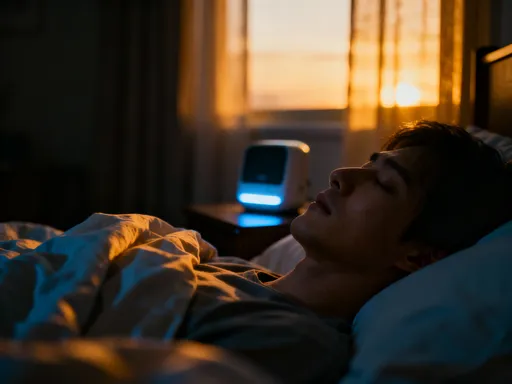
Then I tried a sunrise-simulating alarm clock. It sounds like a gimmick, I know. But the science is real. Our bodies respond to light as a signal for wakefulness. Instead of shocking me awake, this device slowly brightens the room over 30 minutes, starting with a soft red glow and building to a warm, sun-like light. I set it to begin 30 minutes before my actual wake-up time. At first, I didn’t notice much. But after a few days, something shifted. I started waking up just as the light reached its peak—not because it was bright, but because my body felt ready. It was like being coaxed into the day instead of dragged.
I paired it with a gentle audio cue—birds chirping softly, then fading into a calm melody. No sudden noises. No urgency. Just a quiet invitation to open my eyes. And the difference in my mood was immediate. I wasn’t groggy. I wasn’t anxious. I felt… peaceful. I had more patience with my kids during breakfast. I smiled at my partner instead of grunting. I even started journaling in the morning, something I’d always wanted to do but never had the energy for.
Setting this up wasn’t complicated. I placed the light on my nightstand, facing the ceiling so the glow spread softly across the room. I chose a sound that felt natural—nothing too cheerful, nothing too slow. And I made sure it didn’t overlap with my partner’s alarm, so he could still use his traditional one. The goal wasn’t to replace his routine, but to create a better one for me. And it worked. Now, when people ask how I’ve been so calm lately, I tell them the truth: I wake up with the sun—even when it’s still dark outside.
Tracking Without Obsessing: Seeing Patterns That I Could Never Feel
When I first started using sleep trackers, I became obsessed. I’d wake up and immediately check my “score”—a number between 1 and 100 that claimed to measure my sleep quality. If it was below 80, I’d feel defeated before I even got out of bed. If it was high, I’d wonder if I’d done something “wrong” the night before. It wasn’t helping. It was adding stress. I realized I was using the data the wrong way—like a report card instead of a tool.
So I changed my approach. I switched to a non-wearable tracker that focused on trends, not daily scores. No more numbers. Just gentle insights over time. After a few weeks, I noticed something surprising: my most restless nights happened after I drank tea after 2 p.m. I didn’t feel jittery. I didn’t think the caffeine affected me. But the data showed my heart rate stayed elevated, and I tossed and turned more. Another pattern emerged around exercise. When I worked out in the evening, I fell asleep faster but woke up more often. Morning workouts, on the other hand, led to deeper, more continuous sleep.
The real gift of tracking wasn’t in the numbers, but in the awareness. It helped me see connections I couldn’t feel in the moment. I started paying attention to how I felt during the day—was I more focused? More patient? More energetic? And I used that, not the data, as my real measure of success. The tracker didn’t tell me what to do. It just showed me what was already happening. And that made it easier to make small, sustainable changes. I stopped drinking tea after noon. I moved my workouts to the morning. I didn’t do it perfectly, but I did it consistently. And over time, my sleep improved—not because I was chasing a score, but because I was listening to my body, with a little help from technology.
If you try tracking, my advice is this: give yourself time. Don’t look at the data every day. Check in once a week. Focus on trends, not single nights. And never let a number make you feel bad. The goal isn’t perfection. It’s progress. Your body is already doing its best. The tracker is just there to help you understand it a little better.
It’s Not Just About Me—How Better Sleep Softened My Whole Life
The most unexpected benefit of better sleep wasn’t how I felt—it was how I showed up for others. I used to think self-care was selfish. But I’ve learned that when I’m rested, I’m not just better for me—I’m better for everyone around me. My daughter asked me last week, “Mom, why are you laughing more now?” And I realized, I hadn’t even noticed. But she had. And that told me everything.
I’m less reactive. When my son spills juice on the floor, I don’t sigh or snap. I clean it up and say, “It’s okay. Accidents happen.” When my partner forgets to take out the trash, I remind him gently instead of letting frustration build. I have space now—mental and emotional space—to respond instead of react. And that has changed the tone of our home. It’s quieter, yes, but also warmer. More patient. More joyful.
At work, I’m more focused. I don’t need three cups of coffee to get through the morning. I can think clearly, make decisions, and actually enjoy my tasks. I’ve even started a small side project—something creative I’ve been putting off for years. And the energy to do it didn’t come from motivation. It came from rest. Real, deep, restorative rest.
Technology didn’t fix my life. But it gave me the foundation to build a better one. It didn’t erase stress or solve every problem. But it gave me the strength to face them with more calm, more clarity, and more kindness. And that, I’ve learned, is the true power of good sleep. It doesn’t just help you survive the day. It helps you live it.
Building a Sleep-Friendly Life, One Small Tech Choice at a Time
I used to think improving sleep meant overhauling my entire routine. I imagined strict schedules, meditation apps, expensive mattresses, and a house full of gadgets. But what actually worked was much simpler: one small change at a time. I started with the sound device. Then added the smart light. Then the tracker. Each step felt manageable. None of them felt like a burden. And over time, they came together into a system that supported me without demanding anything in return.
The key was choosing tools that fit my life, not the other way around. I didn’t buy anything that required complicated setup or constant attention. I looked for things that worked quietly in the background—devices that learned, adapted, and just… helped. And I gave myself permission to go slow. If something didn’t feel right, I paused. If I forgot to use it one night, I didn’t beat myself up. Progress, not perfection.
Today, my bedroom isn’t a tech lab. It’s a sanctuary. The lights dim on their own. The air stays cool. The sounds wrap around me like a familiar hug. And when the morning light begins to glow, I wake up not because I have to, but because I’m ready. I don’t see these tools as fixes. I see them as companions—quiet, consistent, and always on my side.
If you’re struggling with sleep, I want you to know: you’re not broken. You don’t need to do everything at once. Start with one thing. One small shift. Maybe it’s turning off screens an hour earlier. Maybe it’s trying a soft sound at night. Maybe it’s adjusting your thermostat by one degree. Let technology be your quiet ally, not your taskmaster. And remember—rest isn’t a luxury. It’s your right. And with the right support, it’s possible. Every night. For you.