It’s Not Just About Checkout: How Smart Carts Help Me Stay Calm, Organized, and Present with My Family
Shopping used to stress me out—rushing through aisles, forgetting lists, overspending, and juggling kids while trying to keep track of everything. I felt scattered, not in control. Then I started using smart shopping carts with learning-based tracking, and something small changed that made a big difference. It wasn’t just about faster checkout—it was about reducing mental load, staying focused on what matters, and actually enjoying errands. This is how that shift happened, and how it might help you too.
The Chaos of Modern Grocery Shopping (And Why We’re All Just Coping)
Let’s be honest—grocery shopping doesn’t feel like a peaceful outing anymore. For most of us, it’s one more item on a never-ending to-do list, squeezed between school drop-offs, work meetings, and laundry that never ends. I used to walk into the store already tired, mentally flipping through a messy mental list: Did I remember the soy sauce? Is the butter running low? What did the kids need for their school project this week? By the time I reached the cereal aisle, I’d already forgotten half of what I came for.
And it wasn’t just about forgetting things. It was the weight of it all—the mental clutter. I’d stand in front of the yogurt display, overwhelmed by choices, wondering if I should get the organic kind this week or stick to the budget. My youngest would be tugging at my sleeve, asking for a snack, while my phone buzzed with a reminder about a dentist appointment. In those moments, I wasn’t present. I wasn’t a calm mom or a focused adult. I was just surviving.
We’ve all been taught to believe that if we just try harder, we can manage it all. But here’s what no one tells you: it’s not about trying harder. It’s about having tools that actually match the pace and complexity of our lives. The truth is, we’re not failing at grocery shopping—we’re using tools from another era. Sticky notes, memory, scribbled lists on the fridge—these worked when life moved slower. Now? They just add to the chaos.
And the guilt that follows? That’s real too. Forgetting the dog food again. Spending $15 more than planned. Buying something your child is allergic to because you were distracted. These aren’t small things when you’re the one holding the family together. But what if the problem isn’t you? What if it’s the system you’re working with?
Meet the Smart Cart: More Than a Basket with Wheels
So, how did things start to change? It started with something I never thought would make a difference—a shopping cart. Not just any cart, but a smart cart. At first, I’ll admit, I rolled my eyes. Another gadget? Another app to download? I didn’t need more tech in my life—I needed less. But then a friend mentioned how she’d started using one at her local store, and she wasn’t even a tech person. “It’s like the cart remembers things for me,” she said. “And it doesn’t judge when I try to sneak in cookies.”
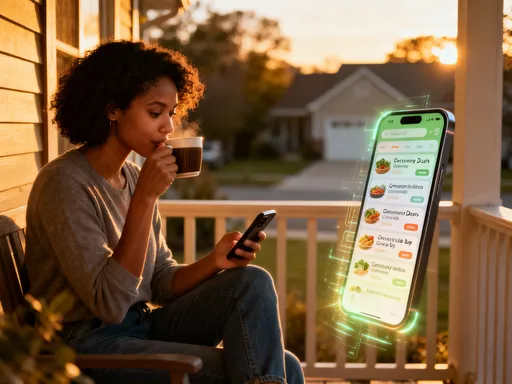
Curious, I gave it a try. The first time, I felt a little silly, pushing this sleek cart with a small screen on the handle. But within minutes, I noticed something different. As I dropped a carton of eggs into the basket, the screen lit up: “Eggs added. You usually buy whole wheat bread next—would you like a reminder?” I blinked. That was… accurate. I *do* usually buy bread after eggs. It wasn’t magic—just smart design. The cart uses weight sensors and barcode recognition to know what you’re adding. It syncs with an app on your phone, so your shopping list updates in real time. No more typing while holding a toddler.
But here’s what surprised me: it wasn’t about the tech. It was about how it felt. The cart didn’t rush me. It didn’t demand perfection. It just… helped. Like a quiet friend walking beside me, gently reminding me of things I’d otherwise forget. And because it learns over time, it gets better the more you use it. It’s not a robot taking over your shopping—it’s a partner, learning your rhythm, your habits, your life.
I remember the first time it suggested almond milk. My daughter has a dairy sensitivity, and I always buy the unsweetened kind. But one week, I was distracted and reached for the regular carton. The screen blinked: “You usually choose unsweetened almond milk. Confirm this change?” I paused. That was it—no scolding, no guilt, just a simple nudge. And in that moment, I realized this wasn’t just a shopping tool. It was a safety net.
How Learning Tracking Turns Chaos into Calm
What makes these smart carts different from a regular app or a digital list? It’s the learning. Most tools just store information. But learning-based tracking *adapts*. It watches your patterns—not all at once, but gradually. You buy oatmeal every Friday. Your teenager goes through bananas like they’re going out of style. You always pick up dish soap on the first of the month. Over time, the system starts to recognize these rhythms.
And then, something beautiful happens: it begins to *anticipate*. Not in a creepy way, but in a thoughtful one. A few weeks in, I started getting gentle reminders: “You’re running low on coffee. Add to cart?” Or “It’s been two weeks since you bought laundry detergent. Need it this trip?” No more frantic calls to my husband from the frozen food section: “Did we run out of freezer bags? I can’t remember!”
The emotional shift was real. I felt calmer. More in control. Not because I had suddenly become super-organized, but because I wasn’t carrying the entire weight of remembering anymore. That mental load—the constant background hum of “what did I forget?”—started to fade. And with it, so did the guilt and the stress.
I’ll never forget the day I finished shopping and realized I hadn’t double-checked my list once. Not once. I just trusted the cart. And when I got home, everything was there. The kids had snacks. The fridge was stocked. The dog had food. For the first time in years, I didn’t have to make a second trip. That night, I sat on the couch with a cup of tea, actually present with my family, not mentally replaying the grocery run. That’s when it hit me: this small change had given me back something priceless—peace.
Simplifying Tasks So You Can Focus on What Matters
Here’s the thing most people don’t talk about: when small tasks take up less energy, you have more room for what really matters. And for moms, caregivers, anyone holding down a home, that’s everything. The smart cart didn’t fix my life. But it removed a layer of friction—a daily stressor that, on its own, seemed small, but over time, wore me down.
Now, instead of rushing through the store, I actually talk to my kids. I point out new fruits. I let them help choose a healthy snack. I make eye contact. I breathe. That might sound simple, but it wasn’t possible before. Before, I was too busy trying not to forget the toilet paper or calculating in my head if I could afford the organic apples.
The cart helps in quiet, practical ways. It shows my spending in real time, so I don’t get that surprise at checkout. If I’m over budget, it gently alerts me: “You’ve reached 90% of your weekly grocery limit.” No shame. Just awareness. And if I’m reaching for something that doesn’t fit my usual healthy eating goals? It might say, “You’ve chosen cookies three times this week. Want to review your choices?” It’s not judging me. It’s helping me stay aligned with my own values.
And for families with allergies or dietary needs, it’s even more powerful. The system remembers what you avoid—gluten, nuts, dairy—and alerts you if a product contains those ingredients. One mom I spoke with told me she used to spend 20 minutes reading every label. Now, she scans, and the cart does the work. “It’s like having a second pair of eyes,” she said. “And that second pair never gets tired.”
A Tool for Growth, Not Just Convenience
I used to think of technology as something that either made life easier or more complicated. But the smart cart showed me there’s a third option: it can help you grow. It’s not just about convenience—it’s about awareness. Because the cart learns your habits, it also shows you patterns you might not see on your own.
For example, after a few weeks, I noticed a trend in my app: I was buying a lot of frozen meals on Thursdays. Why? Because I was tired. Thursdays were the hardest—work deadlines, school events, no time to cook. The cart didn’t scold me. It just showed me the data. And seeing it made me pause. Was that really how I wanted to feed my family? Not always. So I started prepping a little more on Sundays. Small change. Big impact.
Another friend used it to save money. She set a weekly budget, and the cart helped her track it. Over time, she saw where her “leaks” were—impulse buys at the checkout, name-brand snacks, drinks she didn’t really need. She didn’t cut everything out. But she became more intentional. “I didn’t realize how much I was spending on soda,” she told me. “Now I buy one two-liter a week instead of grabbing a bottle every time I shop.”
That’s the quiet power of this tool: it doesn’t force change. It makes change possible by showing you what’s really happening. It’s like having a coach who’s always learning with you—patient, consistent, and kind. And the more you use it, the more it reflects your journey back to you.
Making It Work in Real Life: Small Steps, Big Results
Now, I know what you might be thinking: “This sounds great, but I’m not a tech person. I can barely use my smart speaker.” I get it. That’s how I felt too. But here’s the good news: you don’t have to be perfect. You don’t have to switch everything at once. Start small.
Try the smart cart at one store. Use it alongside your old list at first. Let the system learn your habits—it won’t get everything right at first, and that’s okay. Think of it like teaching a new helper. You wouldn’t expect someone to know your kitchen in one day. Give it time.
And if you share shopping duties with a partner or family member, you can share access to the app. That’s been a game-changer for us. My husband adds items when he runs low on coffee or shampoo, and the list updates for both of us. No more “I thought you were buying that!” arguments. Just teamwork.
The wins are quiet but meaningful. “I didn’t buy soda three weeks in a row.” “I remembered the dog food.” “I stayed under budget and still got everything we needed.” These aren’t grand achievements, but they add up. And over time, they build confidence. You start to feel more capable. More in control. Not because you’re doing more—but because you’re doing it with support.
More Than a Cart: Reclaiming Time, Energy, and Peace
In the end, the smart cart isn’t about shopping. It’s about living. It’s about what happens when you remove one more small burden from your day. It’s about the extra minute you get to laugh with your child in the produce aisle. It’s about the deep breath you take when you realize you’re not over budget. It’s about the quiet pride of remembering everything—without having to remember at all.
Technology doesn’t have to be flashy or complicated to make a difference. Sometimes, the most powerful tools are the ones that work quietly, without fanfare, helping us show up as our best selves. The smart cart didn’t change who I am—it helped me become more of who I already am: a present mom, a thoughtful partner, a woman who wants to live with intention, not stress.
If you’re feeling overwhelmed by the daily grind, I’m not saying a shopping cart will fix everything. But I am saying this: small changes can lead to big shifts. When we stop fighting to remember the little things, we make space for the big things—connection, calm, joy. And isn’t that what we all really want?
So the next time you head to the store, consider giving one a try. Not because you’re behind on tech, but because you deserve to feel lighter. You deserve to walk through those aisles with a little more ease, a little more joy, and a lot more peace. After all, you’re not just shopping. You’re raising a family, running a home, building a life. And you don’t have to do it all in your head anymore.